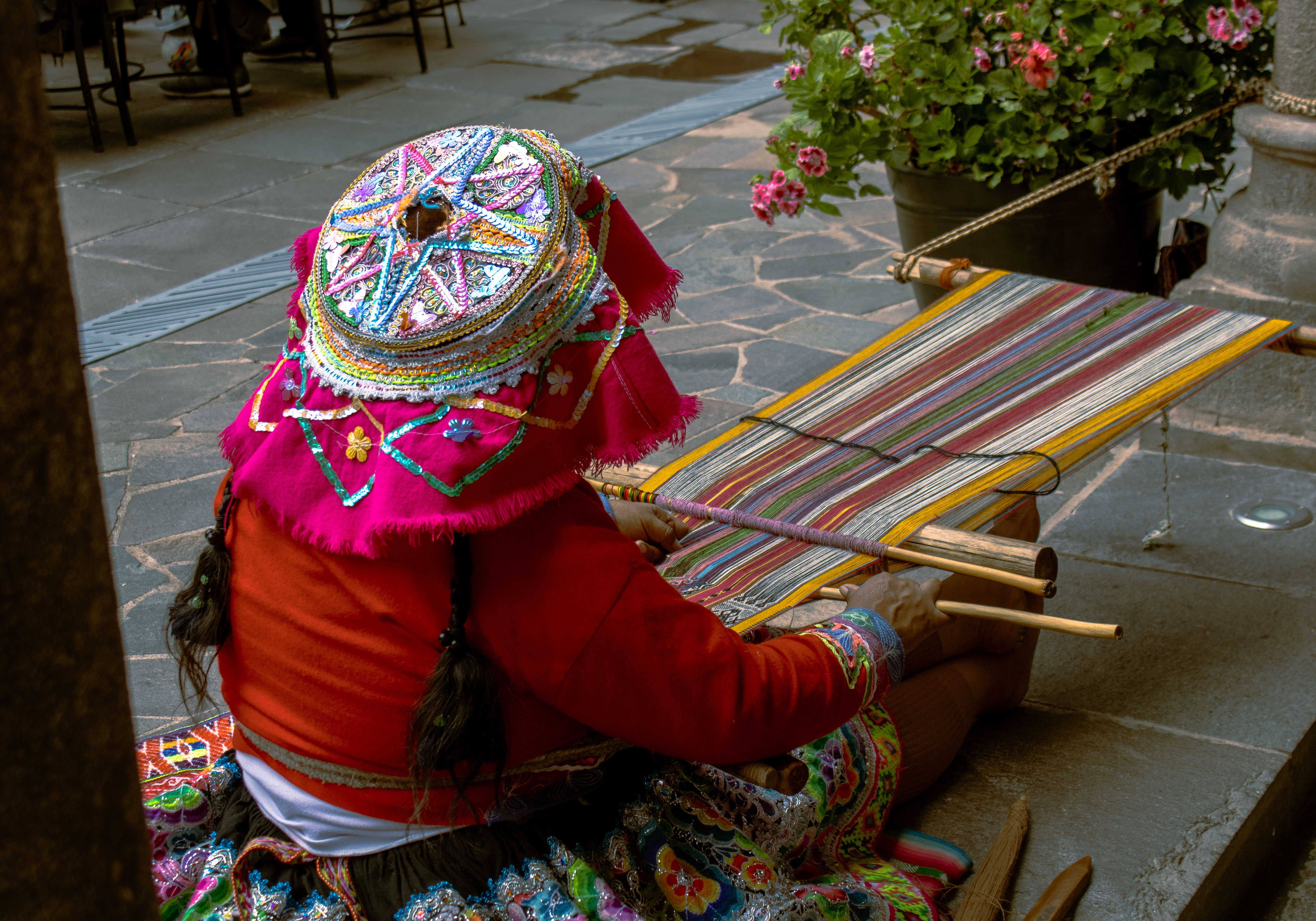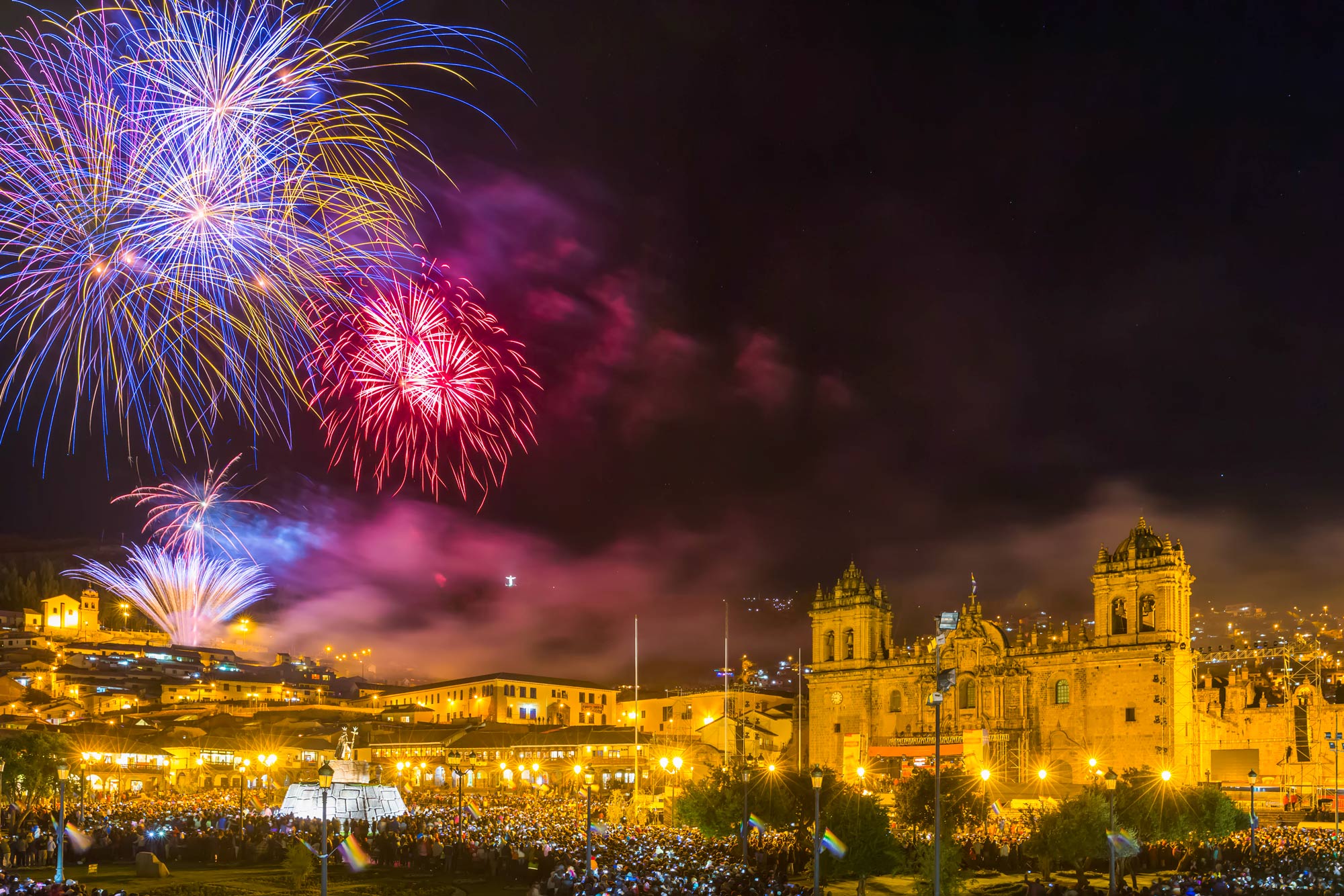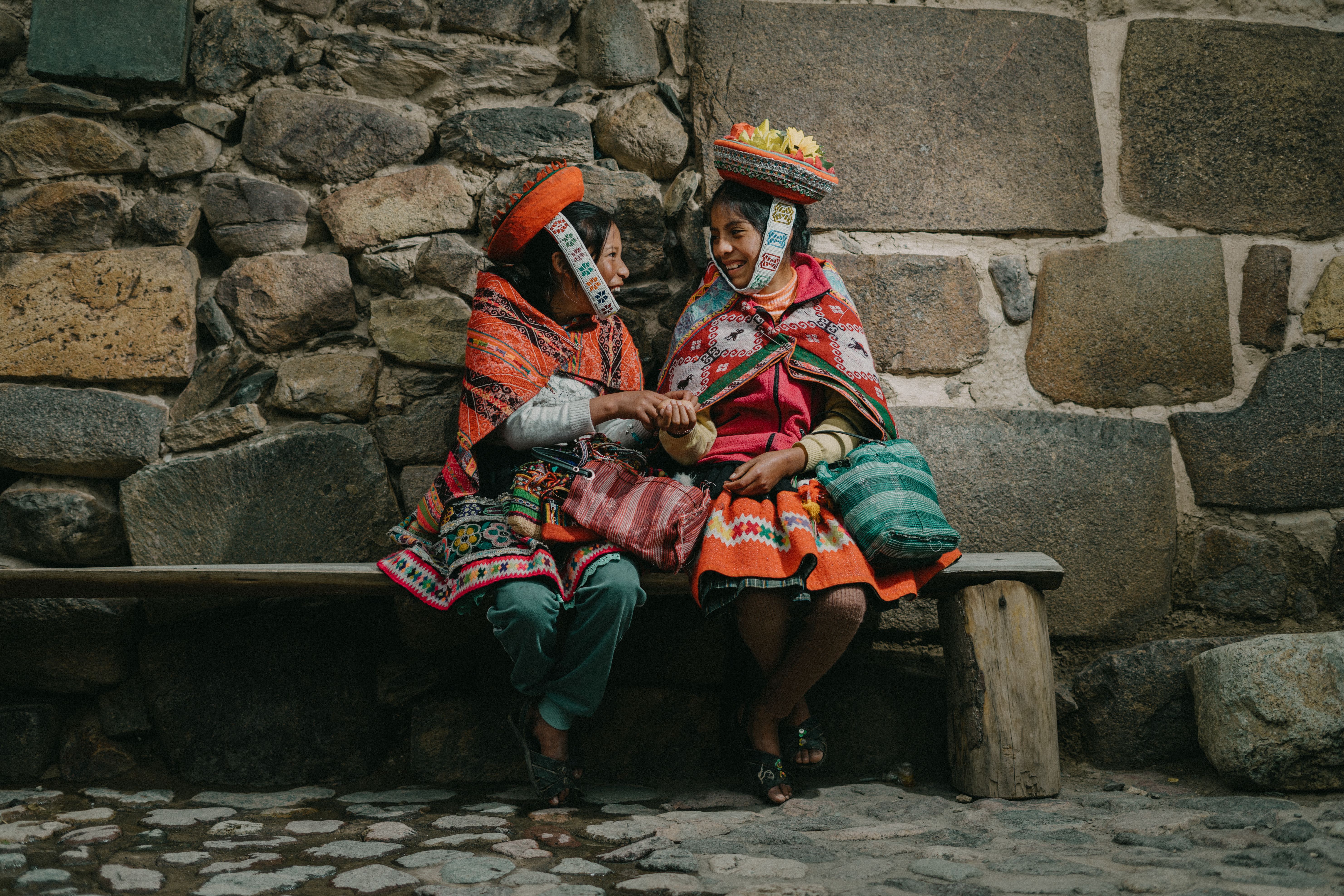
When you travel through Cusco, you will discover that its history lives not only in its temples, mountains, and archaeological sites. It is also present in the voices of its people. Quechua, one of the most important indigenous languages of the Andes, continues to be a part of daily life in many Cusqueñan communities and is especially prominent across various villages in the Sacred Valley.
Although many people associate Quechua exclusively with the Inca Empire, its history goes back much further. The language and its various regional varieties developed in the Andes long before the expansion of Tahuantinsuyo and, over the centuries, survived major historical transformations. Today, Quechua is still spoken by millions of people and serves as a fundamental pillar of Cusco’s cultural identity.
As you explore places like Pisac, Chinchero, Urubamba, or Ollantaytambo, you will encounter communities where Quechua can still be heard in everyday conversations. For a traveler, hearing these words while taking in the landscapes of the Sacred Valley offers a profound way to connect with a living culture.
During your journey, you might catch expressions like "allin p'unchay" (used as a greeting), "añay" (a way of saying thank you), or "tupananchiskama" (expressing the hope to meet again). They are simple words, but behind them lies a story passed down from generation to generation.
That is why exploring the Sacred Valley is not just about taking in breathtaking landscapes, archaeological sites, and traditional villages. It is also an opportunity to listen to an ancestral language that continues to accompany the daily life of its communities. The next time you visit Cusco and hear a conversation in Quechua, remember that you are witnessing one of the most valuable expressions of the living memory of the Andes.